
Few electrical problems are more frustrating for homeowners than a fuse box that keeps tripping. One moment everything is working normally, and the next the power suddenly cuts out, leaving parts of the house without electricity. While resetting the fuse box might restore power temporarily, repeated tripping is usually a sign that something within the electrical system needs attention.
At BKA Electrical, we regularly receive calls from homeowners who are experiencing this exact issue. In many cases the problem begins as a minor inconvenience but gradually becomes more frequent, leaving people unsure whether the cause is a faulty appliance, overloaded circuit or something more serious.
Understanding why your fuse box trips can help you identify potential risks and determine when it is time to call a professional electrician. Electrical systems are designed to protect homes from dangerous faults, and the fuse box plays a critical role in keeping your property safe.
What a Fuse Box Actually Does
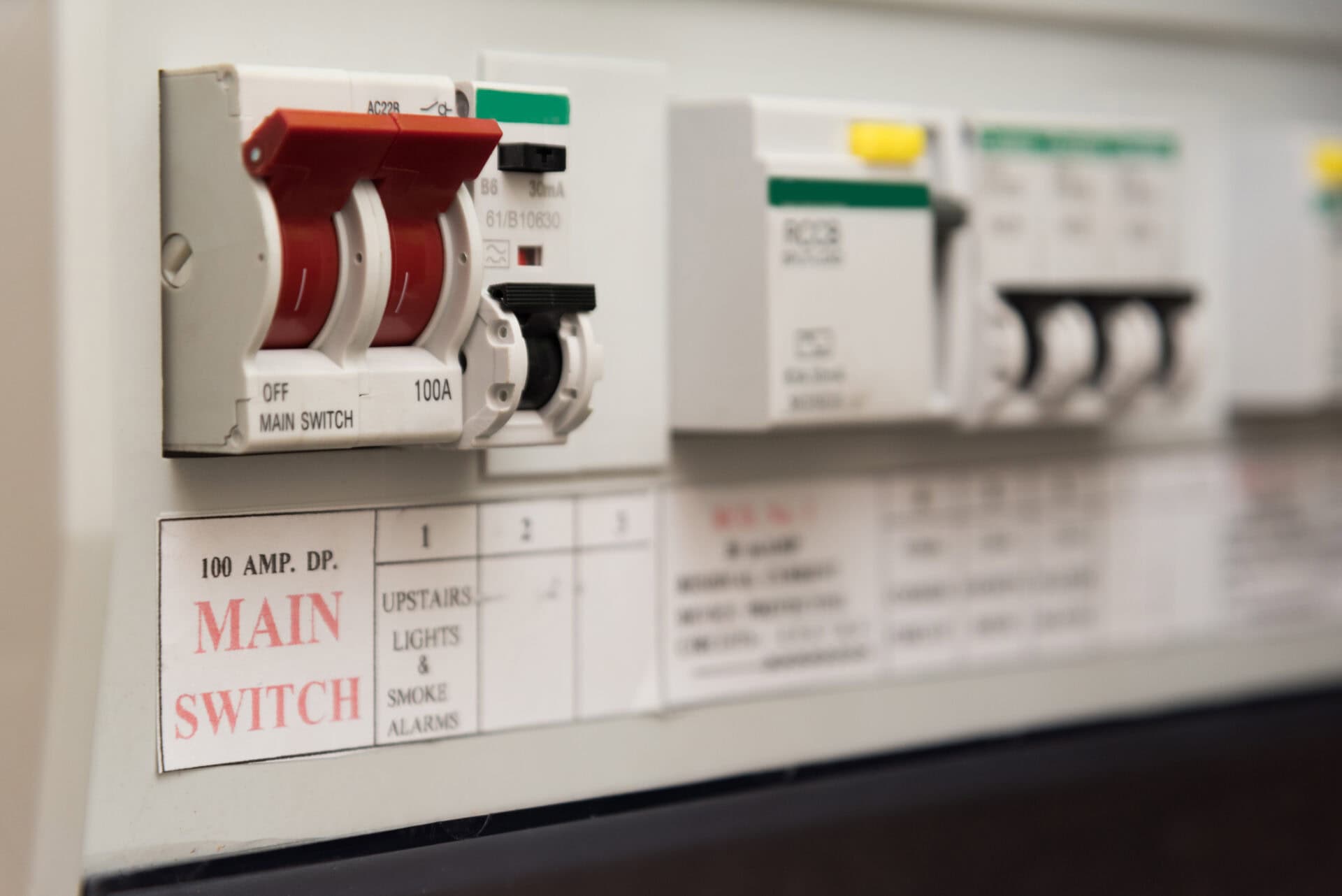
Your fuse box, sometimes referred to as a consumer unit, is the central point that controls and distributes electricity throughout your home. It contains a series of circuit breakers that monitor the electrical flow to different areas of the property, such as lighting circuits, socket outlets and major appliances.
Each circuit breaker is designed to shut off the electrical supply if it detects a problem. This protective function prevents overheating, electrical fires and damage to appliances. When the fuse box trips, it is essentially doing its job by stopping electricity from flowing through a circuit that may be unsafe.
While the immediate loss of power can be inconvenient, it is important to remember that this safety feature is designed to protect both your home and the people living in it.
Overloaded Circuits Are a Common Cause
One of the most common reasons a fuse box trips is because a circuit has been overloaded. This occurs when too many electrical devices are drawing power from the same circuit at the same time.
Modern homes contain far more electrical devices than properties built decades ago. Kitchen appliances, televisions, computers, gaming consoles and charging devices all contribute to the overall electrical demand. When multiple high-powered appliances operate simultaneously on the same circuit, the electrical load can exceed what the circuit is designed to handle.
When this happens, the circuit breaker will trip to prevent the wiring from overheating. This protective shutdown may happen immediately or after a short period of time if the load continues to increase.
If you find that the fuse box trips when several appliances are running at once, it may indicate that the circuit is being pushed beyond its capacity.
Faulty Appliances Can Trigger Trips
Another frequent cause of fuse box tripping is a faulty appliance. Electrical devices sometimes develop internal faults that cause irregular power flow. When this occurs, the fuse box detects the issue and shuts down the circuit.
Appliances such as kettles, washing machines, tumble dryers and electric heaters are often involved because they draw significant amounts of power. However, even smaller devices can cause problems if internal components become damaged.
A useful way to identify whether an appliance is responsible is to unplug devices connected to the affected circuit. Once everything is disconnected, you can reset the breaker and gradually plug appliances back in one at a time. If the fuse box trips again after connecting a particular device, that appliance may be the cause.
While this process can help narrow down the issue, it is always advisable to seek professional advice if the problem continues.
Short Circuits Within the Electrical System
Short circuits are another possible reason why a fuse box keeps tripping. A short circuit occurs when electrical current takes an unintended path, usually because wires have come into contact in a way they should not.
This sudden surge of electrical current can generate heat very quickly, which is why circuit breakers immediately shut off the power. Short circuits can be caused by damaged wiring, loose connections or faults within appliances.
In some cases, short circuits may produce visible signs such as sparks, burning smells or scorch marks around sockets or switches. If any of these warning signs appear, it is important to stop using the affected circuit and contact a qualified electrician as soon as possible.
Electrical faults of this nature should always be investigated professionally to prevent further damage or potential hazards.

Earth Leakage and RCD Trips
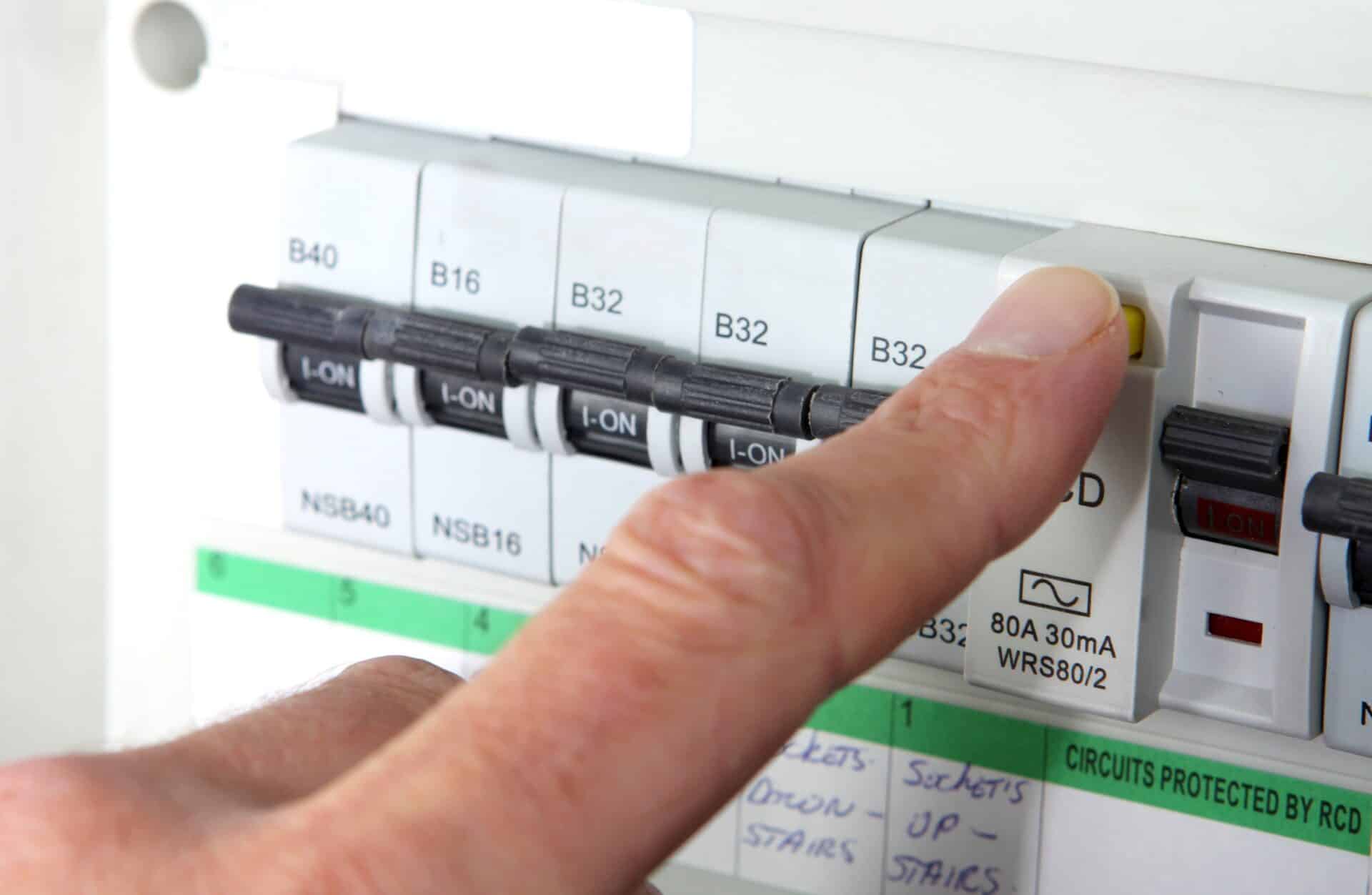
Modern fuse boxes include safety devices known as Residual Current Devices, often referred to as RCDs. These devices monitor the flow of electricity and detect when current may be leaking to earth, which could indicate a potentially dangerous situation.
If the RCD detects an imbalance in the electrical flow, it will immediately trip the circuit to protect against electric shocks. Earth leakage can occur due to damaged wiring, moisture entering electrical systems or faulty appliances.
Bathrooms, kitchens and outdoor circuits are particularly vulnerable because they are more likely to encounter moisture. When an RCD trips frequently, it may indicate that an appliance or circuit is allowing electricity to escape where it should not.
While resetting the RCD may restore power temporarily, repeated trips should always be investigated to ensure the system remains safe.
Older Fuse Boxes Can Contribute to Problems
Some homes still contain older fuse boxes that were installed many years ago. These units may not have the same level of protection as modern consumer units and may struggle to handle the electrical demands of modern living.
Older fuse boxes often use traditional fuse wires rather than circuit breakers. While these systems were suitable at the time of installation, they may not provide the same level of safety or convenience as modern electrical systems.
Upgrading to a modern consumer unit can significantly improve the safety and reliability of a home’s electrical system. Modern units include multiple safety features that provide better protection against electrical faults.
At BKA Electrical based in Brighton, we regularly help homeowners upgrade older fuse boxes to modern consumer units that comply with current electrical regulations.
Moisture and Environmental Factors
Environmental conditions can also affect electrical systems. Moisture is a common cause of electrical faults because it can interfere with wiring and electrical components.
Outdoor circuits, garden lighting systems and external sockets are particularly vulnerable to moisture exposure. When water enters an electrical system, it can create conditions that trigger the fuse box to trip.
Bathrooms and kitchens can also experience moisture-related electrical issues if ventilation is poor or if electrical fittings have deteriorated over time.
If fuse box tripping appears to occur after heavy rain or in areas with higher humidity, it may be worth having the electrical installation inspected.
Why Ignoring the Problem Is Risky
Some homeowners become accustomed to resetting their fuse box repeatedly when the power cuts out. While this may seem like a quick solution, it is important not to ignore persistent tripping.
A fuse box that trips occasionally may simply be responding to an overloaded circuit, but frequent or unexplained tripping could indicate a more serious electrical fault. Ignoring these warning signs may increase the risk of damaged wiring, appliance failure or even electrical fires.
Electrical systems are designed with multiple safety mechanisms to prevent dangerous situations from developing. When these systems activate regularly, it is usually a signal that something within the electrical network needs attention.
How Professional Fault Finding Helps
When fuse box problems occur repeatedly, professional fault finding is often the most effective way to identify the cause. An experienced electrician can test circuits, inspect wiring and examine appliances to determine where the issue lies.
At BKA Electrical, we approach these situations by carefully analysing the electrical system to locate the source of the fault. Sometimes the solution may be as simple as replacing a faulty appliance or repairing a damaged connection. In other cases, the issue may involve upgrading parts of the electrical installation to meet modern standards.
Our goal is always to ensure that the electrical system operates safely and reliably without the inconvenience of repeated power interruptions.
Protecting Your Home’s Electrical System
Electrical systems play a vital role in modern homes, powering everything from lighting and appliances to heating and entertainment systems. Ensuring that these systems remain safe and functional is essential for everyday comfort and security.
Regular inspections, professional installations and prompt attention to faults all contribute to maintaining a safe electrical environment. When issues such as fuse box tripping occur, they should be treated as an opportunity to investigate potential problems rather than simply resetting the breaker and moving on.
At BKA Electrical, we understand how disruptive electrical faults can be. By identifying the cause of fuse box trips and addressing them properly, homeowners can restore reliability to their electrical systems and ensure their property remains safe.
Understanding why your fuse box keeps tripping is the first step toward resolving the issue. Whether the cause is an overloaded circuit, faulty appliance or deeper electrical fault, dealing with the problem early helps protect both your home and the people living within it.